We Specialize In Treating These Conditions

Carpal Tunnel Syndrome Signs and Symptoms

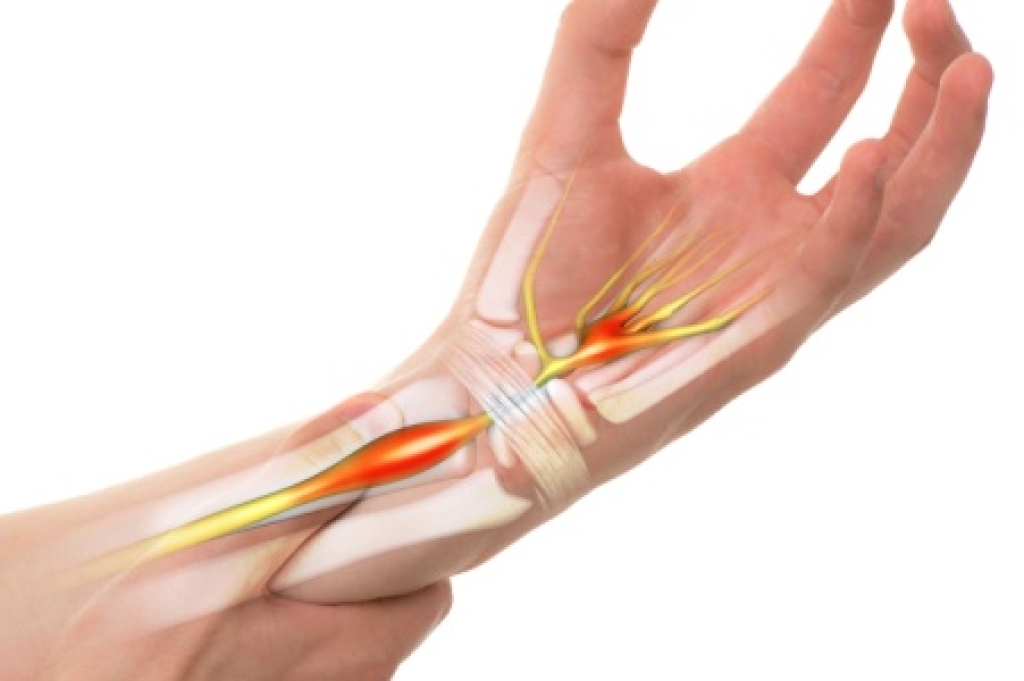
Carpal tunnel syndrome happens when the nerve in the wrist is under pressure. This pressure can come from repeated hand use, poor wrist position, swelling in the joint, or tension that travels from the neck, shoulder, or arm. Over time, the space in the wrist can become tight, which affects how the nerve works. Common symptoms include tingling, numbness, weakness in the hand, burning pain, and trouble gripping or holding items. Symptoms may be worse at night or during daily tasks. A chiropractor looks at how the wrist, arm, and spine move together. Chiropractic treatment can help improve joint motion, reduce pressure on the nerve, and support better alignment so the arm and hand can function more smoothly. If hand or wrist pain is limiting your daily activities, it is suggested that you schedule an appointment with a chiropractor to learn more about relief options that are right for you.

Carpal Tunnel Syndrome

Carpal tunnel syndrome, or CTS, is a condition caused by compression of the median nerve, which runs through the carpal tunnel in the wrist. This tunnel is a narrow passageway surrounded by bones and ligaments, and when it becomes compressed or inflamed, it can put pressure on the nerve. Symptoms of CTS include tingling, numbness, weakness, and pain in the hand and fingers, often making simple tasks difficult and uncomfortable.

Chiropractic care offers a non-invasive approach to managing CTS by addressing alignment and reducing nerve pressure. Chiropractors start by evaluating the wrist, elbow, and even the cervical spine or neck, as misalignments in these areas can contribute to nerve compression in the wrist. Through gentle adjustments, chiropractors can improve the alignment of the wrist and spine, helping to reduce the pressure on the median nerve.

In addition to adjustments, chiropractors may use soft tissue therapy, such as stretching and myofascial release, to reduce inflammation surrounding the wrist and enhance mobility.

Why Consider Chiropractic for CTS?

Chiropractic care can provide lasting relief by targeting the root causes of CTS, reducing pain, and promoting long-term hand and wrist health.

Can Chiropractic Care Address Repetitive Strain as a Cause of CTS?

Chiropractic care can help manage repetitive strain by improving joint alignment and recommending ergonomic adjustments.

If you have any questions, please feel free to contact our office located in Orinda, CA .

 

Read more about Carpal Tunnel Syndrome

Chiropractic Relief During Pregnancy

Pregnancy causes many changes in the body that can lead to discomfort in the back, hips, and pelvis. As weight increases and posture shifts, the spine and joints may feel added stress. Hormone changes can also loosen ligaments, which may affect balance and movement. Common symptoms during pregnancy include low back pain, hip pain, pelvic pressure, stiffness, and trouble with walking or sleeping comfortably. These changes can also place strain on muscles and joints in the spine. A chiropractor can help by focusing on spinal alignment, joint motion, and muscle balance to support how the body adapts during pregnancy. Chiropractic treatment is gentle and centered on helping the body move more smoothly while easing tension and discomfort. If pregnancy-related back pain, hip pain, or stiffness is making your daily activities harder, it is suggested that you schedule an appointment for an initial evaluation and natural treatment options. 

Pregnancy is a transformative experience, but the physical changes can bring challenges like low back pain, leg pain, and sciatica. These discomforts often result from the extra weight and shifts in the body’s center of gravity, placing stress on the spine and pelvis.

Chiropractic care provides a gentle, non-invasive approach to managing these symptoms. Specialized techniques for pregnant individuals help realign the spine and reduce pressure on the nerves, addressing sciatica and related leg pain. Adjustments also promote proper pelvic alignment, potentially easing tension and enhancing mobility.

Beyond pain relief, chiropractic care supports overall wellness, improving posture and helping the body prepare for childbirth. Many find that regular visits reduce discomfort and improve quality of life throughout pregnancy.

1. Is it safe to see a chiropractor in the first trimester?
Absolutely. Prenatally-trained chiropractors use gentle, specific techniques suitable for every stage of pregnancy, including the first trimester.

2. Can chiropractic adjustments reduce swelling in my feet and ankles?
While chiropractic care does not directly treat swelling, improving circulation through spinal alignment can support your body’s natural fluid drainage, potentially easing swelling.

For additional information, please contact our office located in Orinda, CA
 

Read more about Pregnancy/Lower Back Pain/Leg Pain/Sciatica

What is a Pinched Nerve?

A pinched nerve happens when bones, discs, muscles, or joints place too much pressure on a nearby nerve. This pressure can disrupt normal nerve signals and lead to pain or other symptoms. Common causes include spinal misalignment, disc changes, repetitive motion, poor posture, or injuries that affect how the spine moves. Symptoms may include sharp or burning pain, tingling, numbness, weakness, or a pins and needles feeling that can travel into the arms, hands, legs, or feet. These symptoms often worsen when the spine is not moving properly. A chiropractor often focuses on spinal alignment and joint motion to guide treatment that helps reduce nerve pressure and improve how the body functions. Chiropractic care can support better movement and nerve communication without surgery. When nerve symptoms continue or interfere with your daily activities, it is suggested that you contact a chiropractor to schedule an evaluation and learn if chiropractic care is an appropriate option for you. 

Pinched Nerve

A pinched nerve occurs when surrounding tissues, such as bones, muscles, or tendons, apply excessive pressure on a nerve. This condition can cause pain, numbness, tingling, or weakness, often in the neck, back, or limbs. Everyday activities, poor posture, or repetitive motions are common triggers. Left untreated, the condition may worsen, leading to chronic discomfort and reduced mobility.

Chiropractors use a hands-on approach to relieve the pressure that causes a pinched nerve. By performing gentle spinal adjustments, they create space for the nerve to function properly, alleviating discomfort. Chiropractic care may also include stretching exercises to improve flexibility and targeted muscle work to reduce surrounding tension. Patients often receive guidance on posture and activity modifications to prevent recurrence. This tailored approach focuses on restoring normal nerve function and improving overall quality of life.
1. Are pinched nerves only caused by spinal issues?
No, they can also result from tight muscles, inflammation, or repetitive strain. Chiropractors address both spinal and muscular causes.
2. How does a chiropractor determine the location of a pinched nerve?
Chiropractors use physical exams, mobility tests, and sometimes imaging studies like X-rays to pinpoint the source of nerve compression.
For additional information, please contact our office located in Orinda, CA .

 

Read more about Pinched Nerve

Relief for Knee Pain

Knee pain can result from injury, arthritis, or strain from overuse. It may limit mobility, making walking, climbing stairs, or exercising uncomfortable. Non-invasive and drug-free care can help reduce pain and improve function.

Contact us today for effective knee pain treatment.

Natural Jaw Pain Relief

Jaw pain and difficulty moving the jaw may be signs of TMD, or temporomandibular disorder, which affects the joints and muscles that help the jaw move. This can happen when the jaw joints or chewing muscles are strained, injured, or not moving smoothly. Many people with TMD feel pain in the jaw, face, or neck, hear clicking or popping sounds when opening and closing the mouth. There may also be stiffness or locking of the jaw, headaches, or pain around the ears. Some people may notice that the way their upper and lower teeth fit together changes, or that movement is limited. When the jaw and surrounding muscles are not working well, daily activities like talking and chewing may become uncomfortable. A chiropractor can help by checking the alignment and movement of the spine and jaw area, and providing gentle chiropractic care that supports better joint motion and muscle balance. If TMD symptoms are making daily life harder, it is suggested that you schedule an evaluation with a chiropractor to see if chiropractic care may help improve comfort. 

TMJ: Temporomandibular Join Disorders

Temporomandibular Joint, or TMJ disorders, affect the hinge connecting the jaw to the skull, leading to pain and difficulty with jaw movement. Common causes include teeth grinding, jaw clenching, injury, or arthritis. Symptoms often include jaw pain, clicking or popping sounds when opening the mouth, headaches, and difficulty chewing. If left untreated, TMJ disorders can significantly impact daily activities, including eating and speaking.

Managing TMJ disorders typically involves lifestyle adjustments, such as stress reduction to minimize clenching and grinding, along with gentle jaw exercises to improve mobility. In some cases, wearing a night guard may help protect the joint from further strain.

Chiropractic care offers a unique approach to TMJ relief by focusing on the alignment of the jaw and neck. Chiropractors use gentle adjustments to reduce tension in the surrounding muscles and improve joint function. Techniques like myofascial release may be applied to alleviate tightness in the face and jaw area. By addressing related spinal or muscular imbalances, chiropractic care helps reduce pain and promote overall jaw health.

1. Can TMJ problems cause dizziness or vertigo?

Yes, TMJ dysfunction can affect the inner ear through muscle tension or nerve involvement, leading to balance issues or dizziness. Chiropractic adjustments to the neck and jaw can address alignment issues that contribute to dizziness.

2. Can chewing on one side worsen TMJ disorders?

Yes, consistently chewing on one side can overwork one side of the jaw, leading to imbalances and further TMJ issues. A chiropractor can restore balance to the jaw and surrounding muscles, reducing the impact of uneven chewing.

For additional information, please contact our office located in Orinda, CA
 

Read more about TMJ: Temporomandibular Joint Disorders
scroll to top